

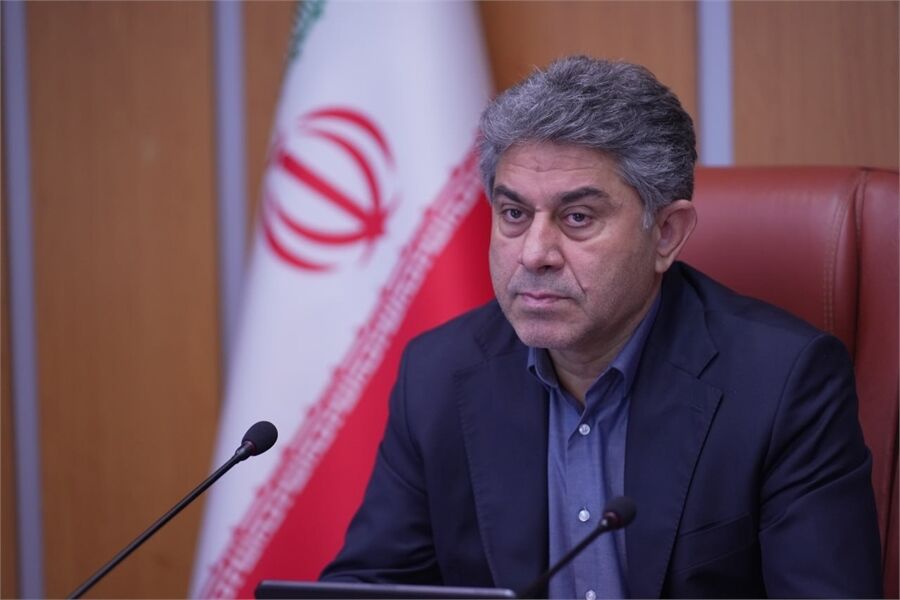
Mohammad Shakibi-Nasab stated that over the past year, various businesses related to transport and maritime activities — including shipping, port and maritime services, bunkering, logistics services, agency and support companies, vessel owners and operators, and other stakeholders in this sector — have faced restrictions and reduced operations commensurate with the conditions created.
He added that due to the special circumstances prevailing in the region and the temporary decline in maritime traffic and activities, part of the fleet and maritime equipment has also been damaged. Assessment and evaluation of the extent of damages are underway, and the restoration and rehabilitation of affected capacities are on the agenda.
Support for Fleet Renewal Underway
The PMO chief continued that within this framework, support for fleet renewal and procurement — particularly service and passenger vessels — is being pursued through the organization’s credit and facility capacities.
Shakibi-Nasab also stated that business continuity plans and necessary measures to enhance the resilience of infrastructure and equipment have been developed and implemented to maintain and sustain port and maritime activities.
Iran’s Maritime Ties with Persian Gulf States Continue
In response to a question about the status of Iran’s maritime and port relations with Persian Gulf states, particularly the UAE, he stated that the Islamic Republic of Iran’s maritime and port relations with Persian Gulf countries remain in place, with vessel traffic and cargo exchange continuing between Iranian ports and those of regional countries.
The Deputy Minister of Roads and Urban Development added that Persian Gulf states, especially the UAE and Oman, are among Iran’s important partners in maritime transport and trade, and over recent months, vessel traffic and export-import operations between Iranian ports and these countries have continued.
Regarding Iran-UAE maritime and trade relations, Shakibi-Nasab said that maritime and trade ties between the two countries continue within the framework of existing procedures, with vessel traffic and cargo movement between Iran and the UAE ongoing.
Chabahar Port Control Tower Reconstruction on Agenda
Regarding the status of the Chabahar Port vessel traffic control tower and its reconstruction plan, the PMO managing director stated that the tower is one of the key infrastructures for managing and monitoring maritime traffic at the port, playing an effective role in enhancing safety and order in maritime traffic.
He added that the facility’s primary functions include monitoring maritime traffic, communicating with vessels, coordinating vessel entry and exit procedures, and supporting safety processes and maritime services.
Referring to Chabahar Port’s strategic importance, Shakibi-Nasab said: “Given the port’s significance in the country’s maritime trade and its role in developing the maritime economy, the reconstruction and rehabilitation of its damaged infrastructure are on the agenda, and necessary planning is being pursued by the PMO’s specialized departments.”



جدیدترین اخبار پربحث